Indie artists gather in Delhi for a musical evening celebrating democracy, dignity, freedom
New Delhi: From singing Kabir’s famous bhajan “Sadho ye hai murdo ka gaon” and reciting Faiz Ahmad Faiz’s poem “Hum dekhenge” to singing Simon & Garfunkel song “He was my brother” and Joan Baez’s “Saigon Bride”—the country’s independent artists came together at an event to celebrate the power of music as a means to protest and defend democracy.
The programme, called “music as protest”, featured songs about democracy, freedom and dignity, some written by legends, some by the indie artists themselves.
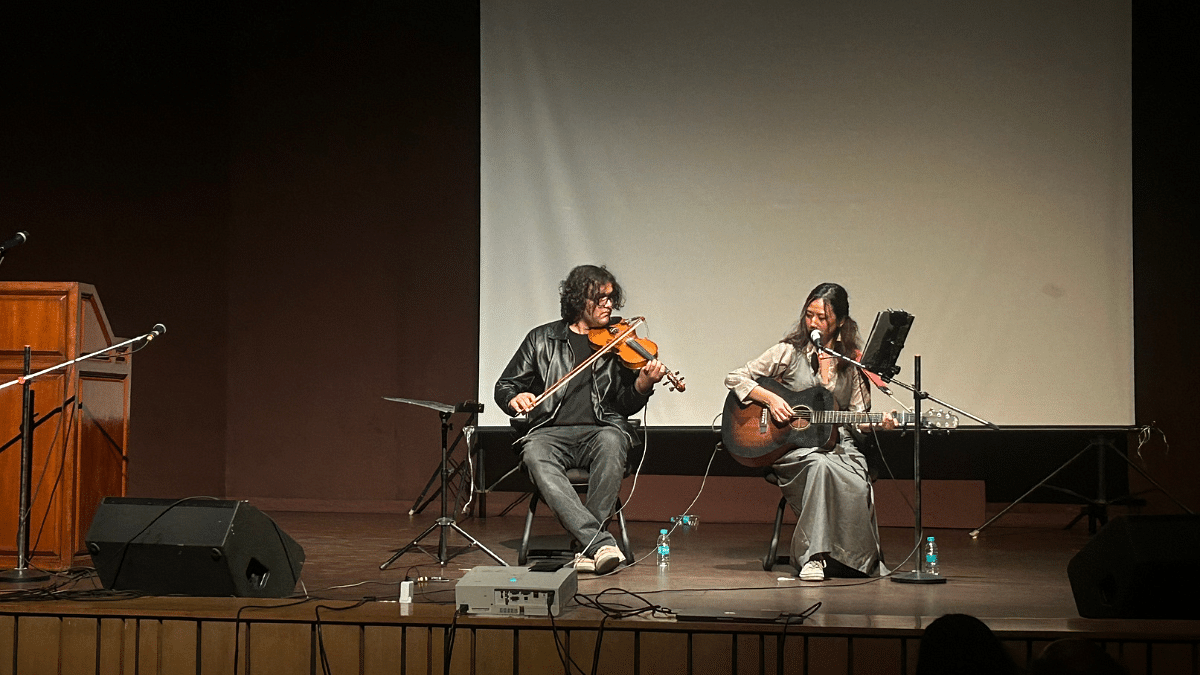
The event organised by Janata Radio was an informal gathering of a group of indie artists on 2 December in New Delhi’s Jawahar Bhawan. Among them were Rahul Ram, Ruchika and Deepak Castelino, Aditi and Amartya, Purple Penchant, Chochung Dema, Rajesh Nirmal, Katyayini Pant and Susmit Bose.
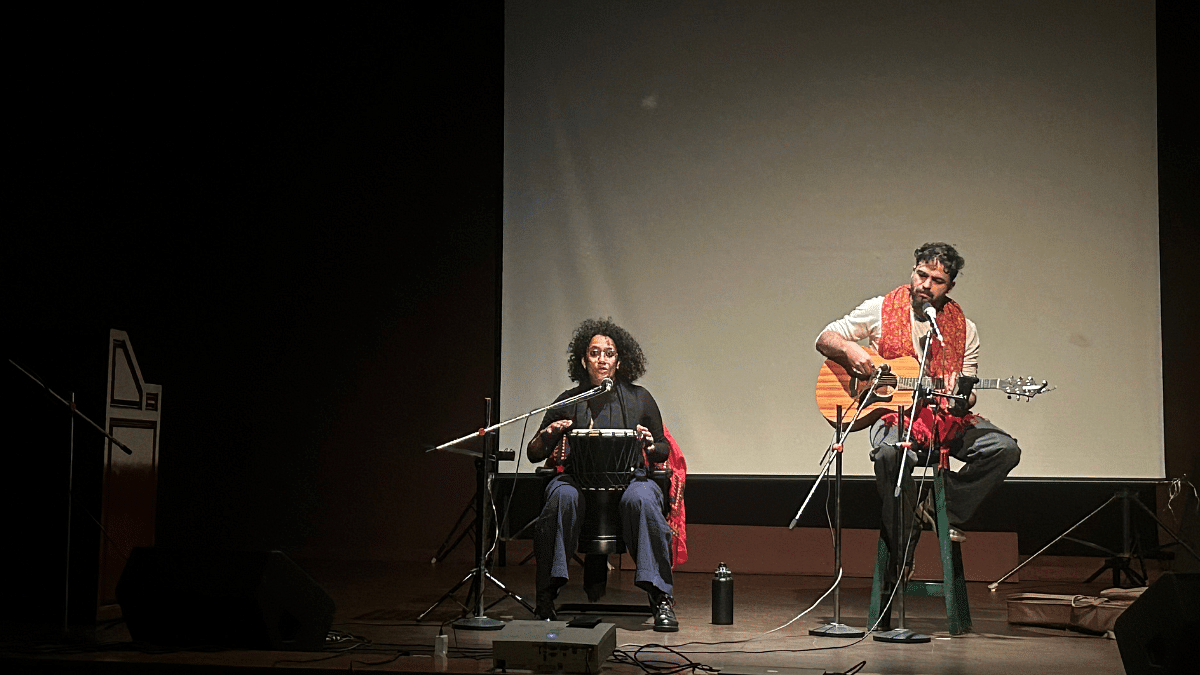
The event’s organisers included senior journalist Paranjoy Guha Thakurta who hosted the musical evening. According to him, there was one theme that united all artists present—a deep unhappiness over “what is happening to us”.
He said India, as a country, had become “unequal” for its people. “We are not keeping quiet. We are shouting, screaming, protesting. We want you to also protest against that which is wrong, unjust,” he told the 300-strong audience.
Along with musical performances, several videos were also screened at the event. These included a visual interpretation of the song “Dike dike hao Hushiar”, which highlighted the dangers posed by communalism in Indian society. “Watch out! Beware! Stay alert, if you want to hold your head up high. The crocodile has crept into your home, he’s caught you in his eye,” is a loose translation of the Bengali song.
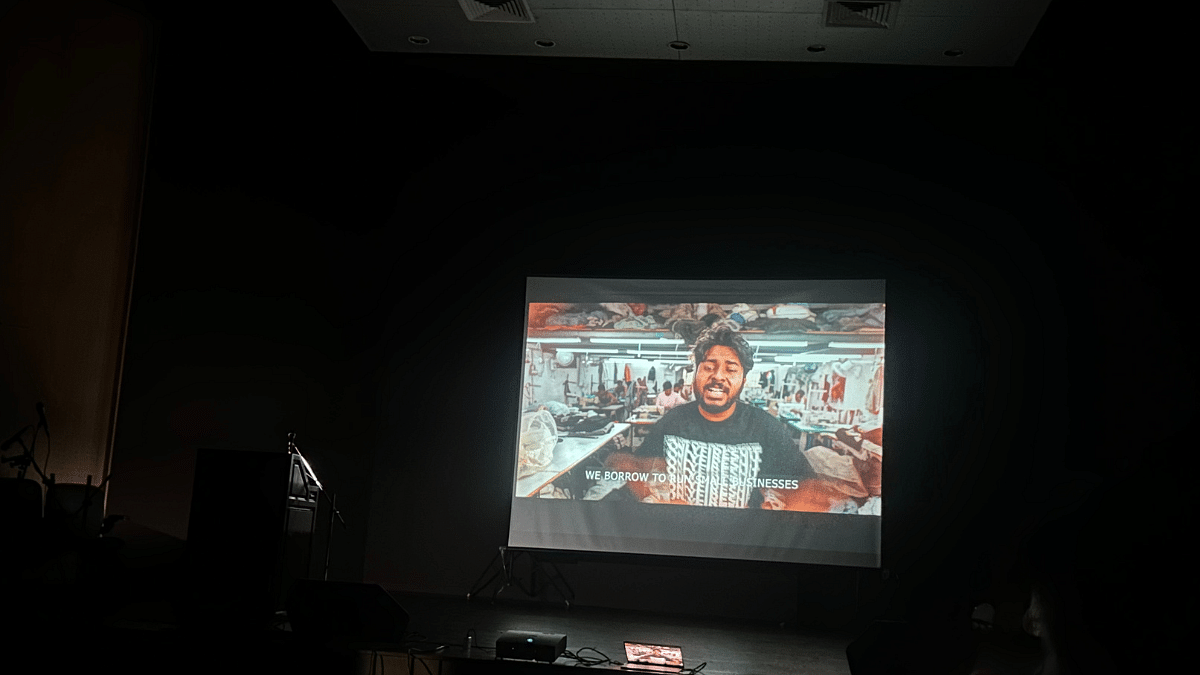
Another prominent video screened was “Dharavi ka dada hai kaun”, a rap song based on Dharavi, one of the world’s largest slums located in Mumbai. The song spoke about the slum’s redevelopment project by the Adani Group.
While performing songs like “Sadho ye hai murdo ka gaon” and “Raghukul veer sadha chali ayi”, artist Katyayini Pant said she had learnt protest through music and theatre. “We are just connecting the different dots in which music resides and so does protest,” she said.
Chochung Dema from Arunachal Pradesh performed “Saigon Bride”, and explained why this line from the song always touches her heart—“Some say it’s yellow, some say red. It will not matter when we’re dead.”
She said: “People are always trying to divide us. That’s the state of the country right now and that’s what we are trying to fight here among many other things.”
Throughout history, music, theatre and drama have been used to register dissent, said Paranjoy Guha Thakurta to ThePrint. He added: “If they are unhappy with the state of their existence… This is one way they express it. Nor just unhappiness, but also their desire to change what is happening.” The veteran journalist said this was the very essence of the programme.
The performances were recorded and will soon be out on YouTube. “We want people to think about what is happening around the world, around us, around the country,” Guha Thakurta said.
(Edited by Tikli Basu)
Also read: Lahore to Delhi & beyond—musical evening celebrates Punjabiyat through Sufi and folk songs